
How Proper Care Supports Eco-Friendly Gardens
Sustainable landscaping offers a way to create beautiful gardens while conserving resources. With growing concerns about the environment, many people are looking for ways to reduce their ecological footprint. One effective approach is through sustainable landscaping, which combines aesthetics and functionality with environmental responsibility. This method helps preserve natural habitats, conserves water, and reduces waste. To achieve these benefits, proper care and maintenance are essential. Let’s explore how taking care of your outdoor space can contribute to a more sustainable world.
The Importance of Routine Upkeep
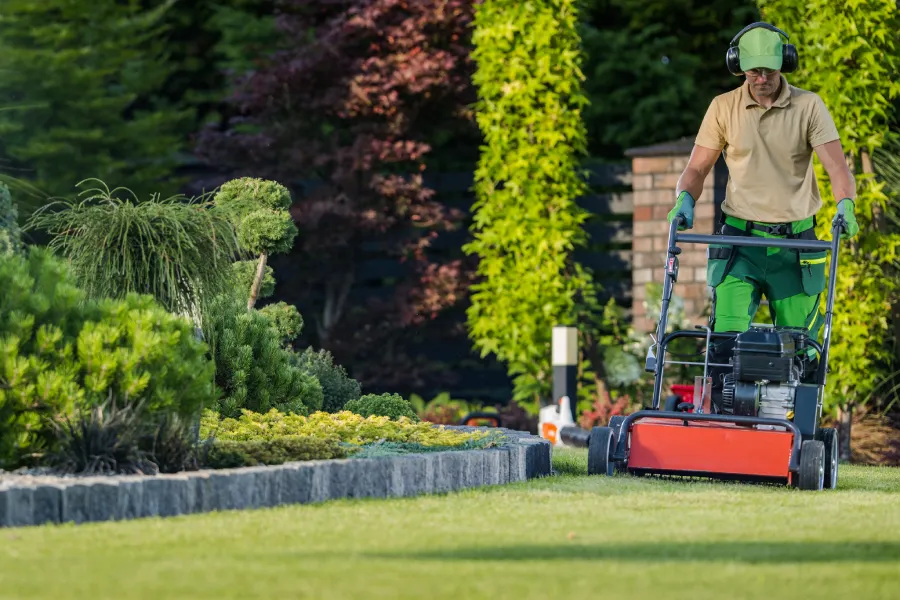
Regular care of your garden is vital for sustaining its health and beauty. Neglecting it can lead to overgrown plants and wasted resources. Instead of letting this happen, focus on consistent upkeep. Yard maintenance plays a crucial role in ensuring that plant life thrives without unnecessary resource usage. By managing your yard effectively, you prevent excessive growth that requires heavy watering and trimming.
Conserving Resources Through Smart Practices
Yard maintenance involves more than just mowing the lawn or pruning bushes; it’s about making wise choices that conserve resources. This includes selecting drought-resistant plants, using mulch to retain soil moisture, and employing drip irrigation systems instead of traditional sprinklers. These methods help keep gardens healthy while reducing water consumption significantly. Implementing such strategies minimizes the need for frequent watering and fertilizing.
Addressing Common Challenges
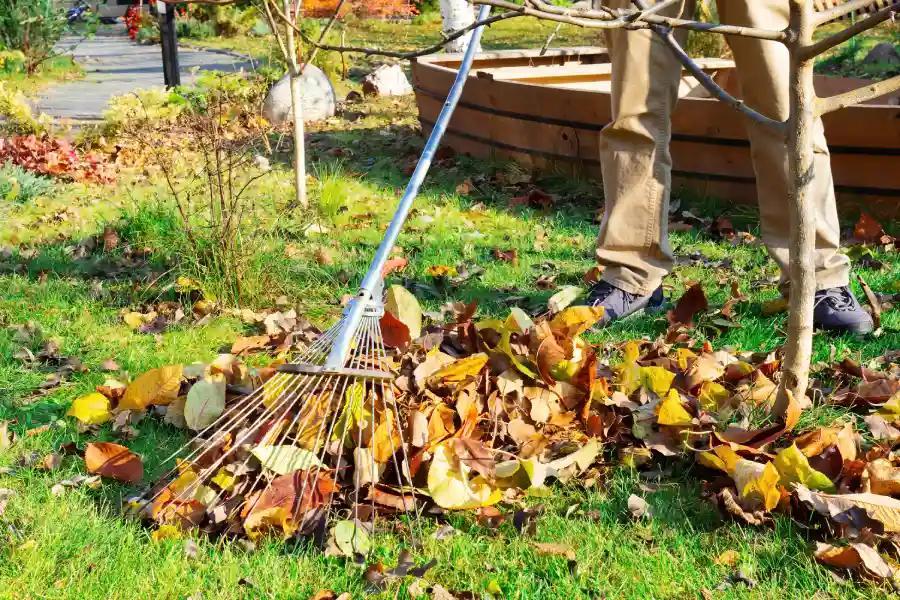
Maintaining a yard sustainably can present several challenges. Weeds are often persistent, but they can be managed with organic solutions like vinegar or manual removal. Pests pose another issue, yet they can be controlled using natural predators or homemade repellents. Keeping soil nutrient-rich without chemical fertilizers is also critical, achievable by composting kitchen scraps.
Effective Solutions for Sustainable Care
Tackling these challenges requires knowledge and commitment. Here are some steps to foster a sustainable yard:
- Use native plants adapted to local conditions
- Install rain barrels to collect and reuse rainwater
- Compost organic waste to enrich soil naturally
- Incorporate ground covers to reduce erosion
- Create habitats for beneficial insects
Best Practices to Follow
Implementing best practices ensures your yard remains both functional and eco-friendly. Regularly check equipment for leaks or inefficiencies, as faulty tools can waste resources. Prune plants at appropriate times to encourage strong growth. Rotate crops or plants periodically to maintain soil health and prevent pest infestations.
Understanding Industry Standards
The landscaping industry has guidelines promoting sustainability. For example, the use of non-invasive species prevents disruption of local ecosystems. Adhering to these guidelines guarantees compliance with environmental regulations and supports biodiversity. By following recognized standards, you ensure your efforts align with broader conservation goals.
Weighing Cost Considerations
When planning sustainable yard care, cost is an important factor. While some initial investments might seem high, such as purchasing efficient irrigation systems, they pay off over time through reduced water bills. Additionally, using organic materials may be cheaper long-term compared to synthetic chemicals due to their renewability.
Final Recommendations for Your Yard’s Health
A well-maintained yard contributes positively to the environment while providing aesthetic pleasure. Regular assessments of your yard’s condition allow for timely adjustments and improvements. Contact us today at (331) 232-2893 for expert guidance tailored to your location in Joliet, IL. Our team at Blue Stone Landscaping is dedicated to helping you achieve a sustainable landscape that meets your needs.